
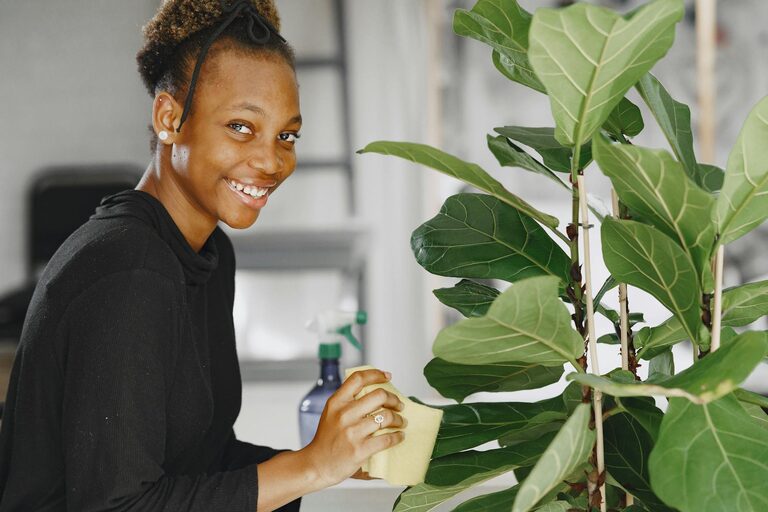
Bringing houseplants into your living space is a wonderful way to add beauty, freshen the air, and create a calming atmosphere. However, keeping these green companions healthy and thriving requires some basic care and attention. Whether you’re a seasoned plant enthusiast or a beginner, these tips will help your houseplants flourish.
Understanding Your Houseplants’ Needs
Every plant species has its own preferences when it comes to light, water, temperature, and soil. Getting to know your plant’s specific requirements is the first step toward successful care.
Light Requirements
Plants use sunlight for photosynthesis, but the amount and intensity vary depending on the species. Some plants thrive in bright, direct sunlight, while others prefer indirect or low light.
– Bright light: Succulents, cacti, and many flowering plants.
– Indirect light: Pothos, peace lilies, and ferns.
– Low light: Snake plants, ZZ plants, and some philodendrons.
Observe the location of your plant and adjust placement based on how well it seems to respond.
Watering Wisely
Overwatering is one of the most common mistakes in houseplant care. Each plant has different watering needs, but a good rule of thumb is to check the soil moisture before watering.
– Use your finger to test the top inch of soil; if it’s dry, it’s time to water.
– Water thoroughly and let excess water drain out. Avoid letting the plant sit in standing water.
– During winter or dormant periods, plants generally need less water.
Temperature and Humidity
Most houseplants thrive in average indoor temperatures between 65-75°F (18-24°C). Avoid sudden temperature changes or drafts from heaters and air conditioners.
Humidity levels are also important, especially for tropical plants. Dry indoor air can be improved by:
– Using a humidifier.
– Grouping plants together to raise local humidity.
– Placing water trays nearby.
Choosing the Right Soil and Pots
The right soil mix can make a big difference in plant health. Most houseplants do well in well-draining potting soil, but some, like succulents, require grit or sand to improve drainage.
Make sure your pots have drainage holes to prevent root rot. If decorative pots don’t have holes, use them as outer containers with a smaller pot inside.
Fertilizing: Feeding Your Plants
Plants need nutrients to grow. Use a balanced, water-soluble houseplant fertilizer every 4-6 weeks during the growing season (spring and summer).
Avoid over-fertilizing, which can damage roots and leaves. Always follow the instructions on the fertilizer package.
Common Problems and How to Handle Them
Leaf Yellowing or Browning
This often results from improper watering, lighting, or humidity. Check if the plant is getting too much or too little water and adjust accordingly.
Pests
Keep an eye out for pests like spider mites, aphids, and mealybugs.
– Wipe leaves with a damp cloth.
– Use insecticidal soap or neem oil spray if infestation occurs.
– Isolate affected plants to prevent spreading.
Root Rot
Caused by overwatering and poor drainage. If you notice wilting despite moist soil, remove the plant, trim rotten roots, and repot in fresh soil.
Additional Tips for Happy Houseplants
– Dust leaves regularly to help plants absorb light better.
– Rotate plants occasionally to encourage even growth.
– Prune dead or yellow leaves to promote new growth and maintain appearance.
– Repot plants every 1-2 years to refresh soil and give roots room to grow.
Conclusion
Caring for houseplants can be a rewarding and calming hobby. By understanding their needs and paying attention to their signals, you can create a flourishing indoor garden that enhances your home environment. Remember, patience is key—it takes time, but with consistent care, your houseplants will thrive.
Happy gardening!